
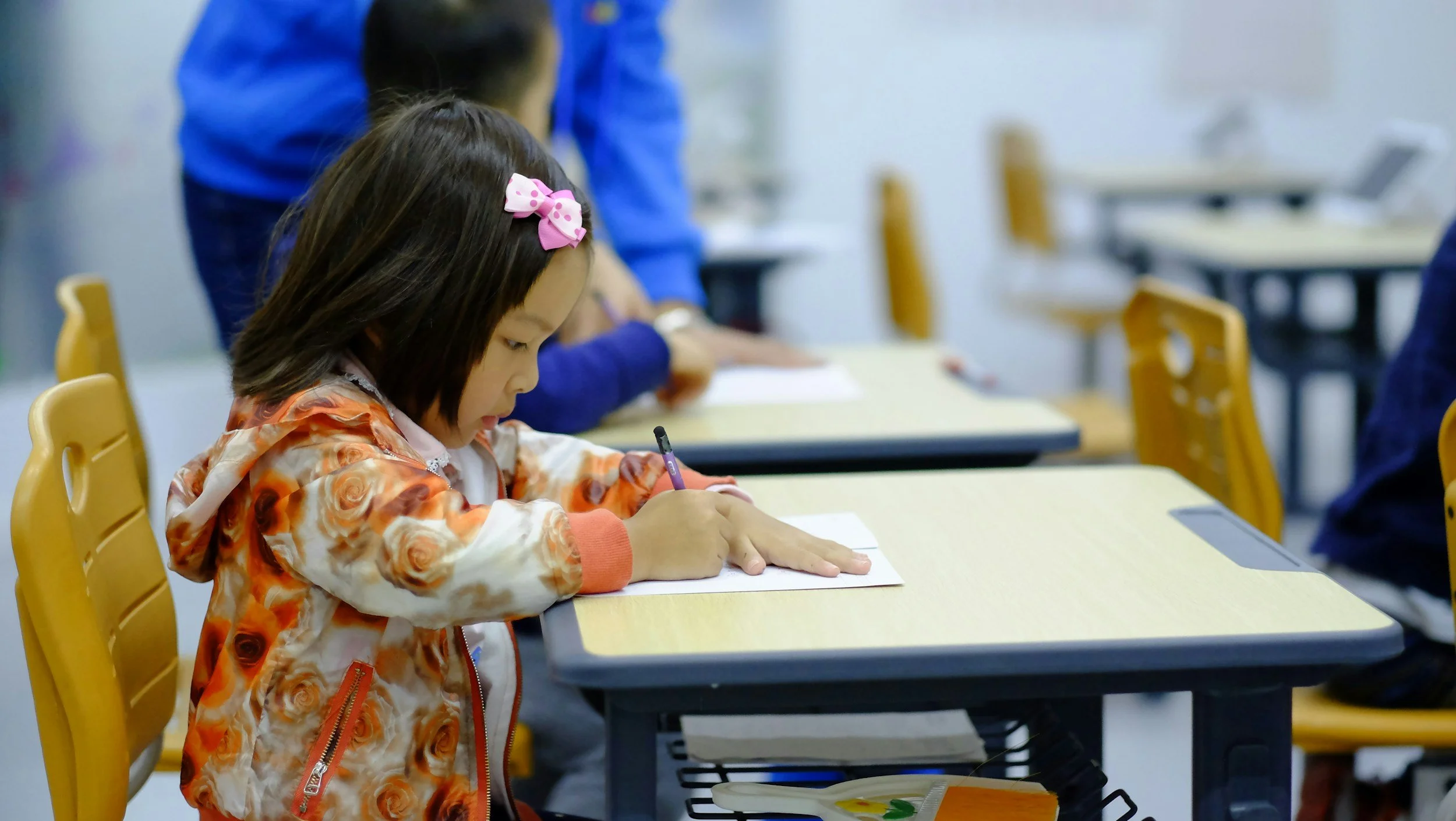
Promoting Safe and Intentional Tech use in D181 Schools
Intentional Tech is a politically-neutral community group advocating for the education, safety, and well-being of our children. Our goal is to promote the development and implementation of thoughtful, evidence-based technology policies within Illinois School District 181. We are NOT affiliated with the school district but hope to provide feedback and support for administrators and educators at our local schools in Hinsdale, Clarendon Hills, and Burr Ridge as they work to address this important issue.
What We Believe
Human connection should remain at the center of education. Technology can support learning, but it should not replace the relationships, conversation, and shared experiences that are fundamental to how children learn and develop.
The ability to focus and think critically are essential to long-term academic and professional success. Technology policies should help strengthen, not erode, these skills.
Using a device is not the same as learning about technology. Children need to learn about technology, but basic literacy and math skills do not require extensive technology.
Schools have a responsibility to create safe digital environments. Families should be able to trust that school-issued technology is configured and managed in ways that address the potential for misuse both in and out of school.
Privacy risks around student data exist. Parents should have clear visibility into what personally identifiable information is being collected by third parties and meaningful opportunities to opt out when not essential to a child’s education.
Technology practices need to evolve as technology evolves. Our school districts should establish a process to regularly reassess how technology is being used and engage parents as part of that process.

Questions we are asking
How much time are children spending on their devices in school? How much of that time is spent NOT on educational curriculum?
How are we ensuring development of critical thinking skills and a strong foundational education with AI exploding everywhere.
Are adequate safety measures in place in school-issued devices? How often are children accessing inappropriate content on their devices? How are these incidents reported and shared out?
Is there enough teacher training and support to ensure responsible and intentional usage that enhances — not distracts — from our children’s learning and well being?
What does the evidence say about the benefits of technology on the educational outcome for students in the classroom? If there is not a proven benefit, then what is the rationale for utilizing it?
Noteworthy News
The nation's second-largest school district just said no to screens. Here's what changed — and why parents fought for it
A neuroscientist tells Congress: classroom tech is hurting how kids think
Must Read for parents and educators
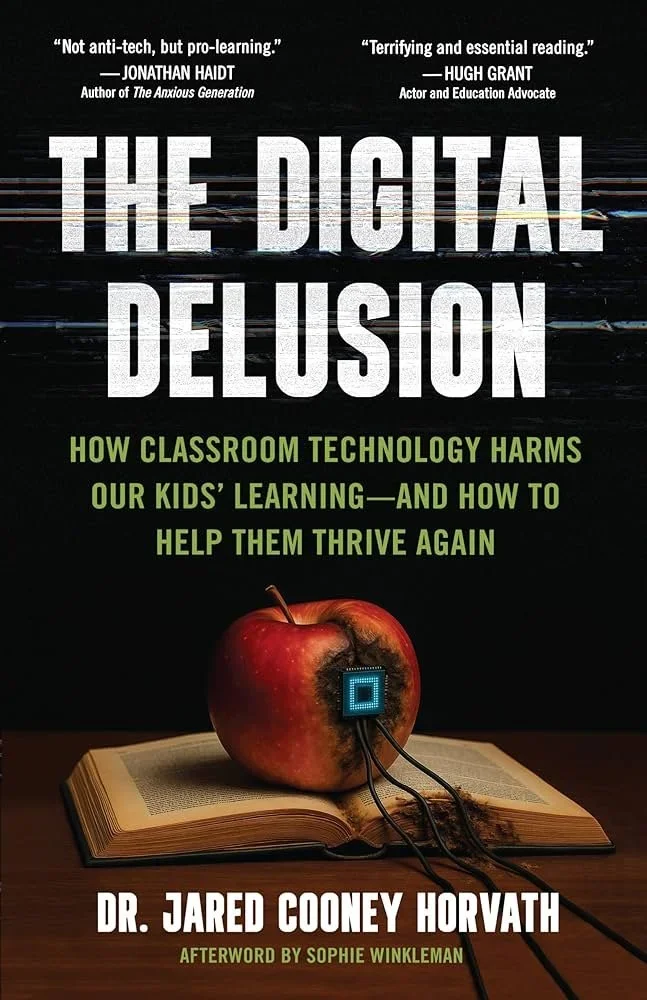
The digital delusion
Dr. Jared Cooney Horvath · Neuroscientist, Harvard and Univ. of Melbourne
More screens. Less learning. Here's the proof.
NEW YORK TIMES BESTSELLER • Educator and neuroscientist Dr. Jared Cooney Horvath reveals why digital tools in school consistently undermine learning—and what parents, teachers, and schools can do to push back with purpose.
You'll want to read this book to understand how technology is changing education. — Jonathan Haidt